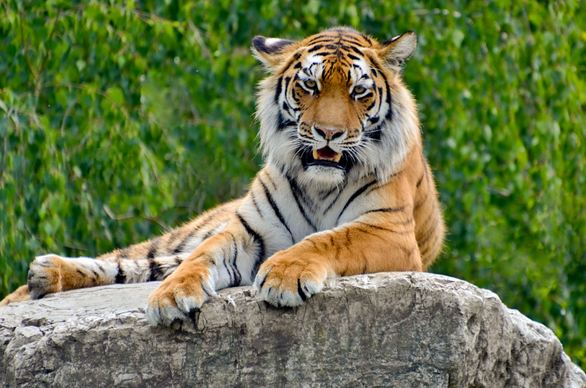
Why are Animal Species Going Extinct?
- Habitat Loss and Fragmentation Due to Urbanization, Agriculture, and Infrastructure Development
- Impact of Climate Change on Species' Natural Habitats and Life Cycles
- Harmful Effects of Pollution on Air, Water, and Soil Quality
- Emergence and Spread of Diseases Affecting Wildlife Populations
- Genetic Erosion and Loss of Genetic Diversity in Small, Isolated Populations
- Widespread Deforestation and Land Use Changes Reducing Ecosystem Integrity
- Ocean Acidification and Its Impact on Marine Life and Coral Reefs
How to Raise Awareness About a Animals in Danger?
Raising awareness about animals in danger involves a thoughtful, multifaceted strategy that can significantly increase
public understanding and involvement in conservation efforts. Below, I’ll expand on the five key points to provide more
detailed explanations on how to effectively raise awareness:
Create and Share Educational Content:
The first step in raising awareness is to educate the public about the animal’s current situation. Develop content that
explains the animal’s unique characteristics, its role in the ecosystem, and the specific threats it faces, such as habitat
loss, climate change, or poaching. This content can take various forms—brochures, posters, blogs, or videos. Use storytelling
and compelling visuals like high-quality images and infographics to make the information more engaging. Distribute this content
on various platforms, including social media, websites, or at community centers, to reach a wide audience.
Learn About Endangered Animals and Their Conservation Needs:
Educating yourself and others about endangered animals is a crucial step in effective advocacy. Learn about various endangered
species, their behaviors, habitats, and the specific threats they face through resources like documentaries, scientific journals,
and books. Participating in field trips, visiting wildlife sanctuaries, or volunteering for conservation projects can provide hands-on
experience. Engage in citizen science initiatives by recording animal sightings or contributing to databases like iNaturalist, which
help scientists monitor and protect these species. Sharing this knowledge within your community or online can inspire others to learn
and get involved in conservation efforts.
Be a Responsible Advocate for Wildlife Conservation:
Being responsible is a core principle when raising awareness about endangered animals. This means using accurate, verified information,
respecting the privacy and habitats of wildlife, and promoting ethical practices in conservation. Avoid spreading misinformation or exploiting
animals for personal gain or sensational purposes. Always support initiatives that prioritize animal welfare and environmental sustainability.
Encourage responsible behavior among others, such as reducing plastic use, choosing sustainable products, and advocating for habitat protection
in a respectful and informed manner.
Protect the Natural Animal Habitats in Your Area:
One of the most effective ways to raise awareness about endangered animals is to actively protect and restore their natural habitats. Identify
local ecosystems—such as forests, wetlands, grasslands, or marine environments—that are home to endangered species. Engage in or organize
initiatives focused on habitat preservation, which can include habitat clean-up drives, tree-planting events, and invasive species removal.
Encourage local authorities to enforce land-use policies that prioritize conservation and sustainable practices.
Create awareness campaigns that inform the community about the importance of these habitats and the specific species that rely on them. Utilize
educational workshops, local talks, and informational booths at community events to share why protecting these areas is vital for biodiversity and
ecological health.